
Tri Clamp Fittings
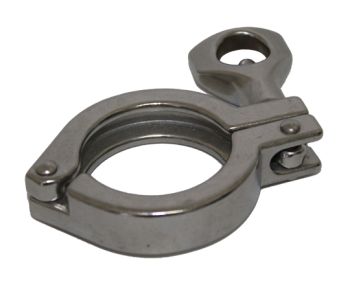
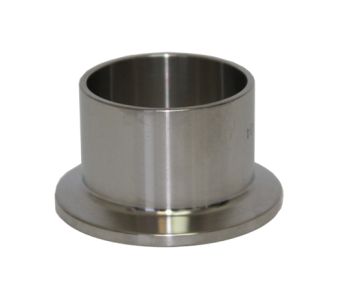
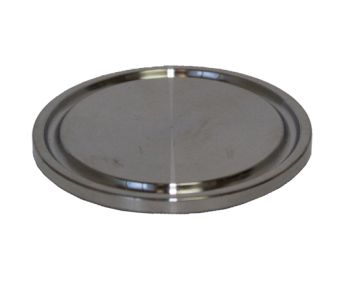
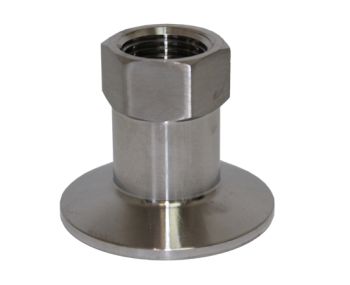
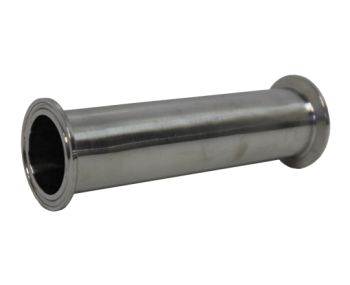
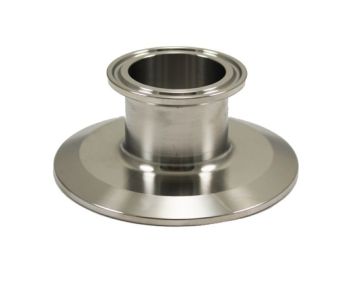
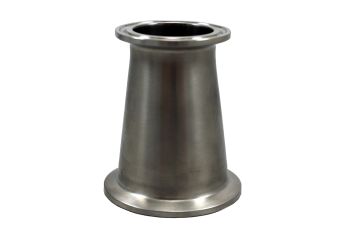
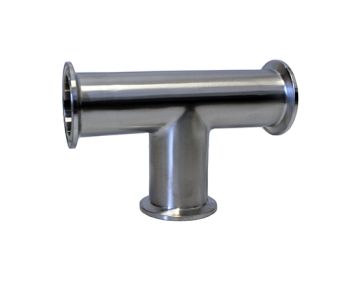
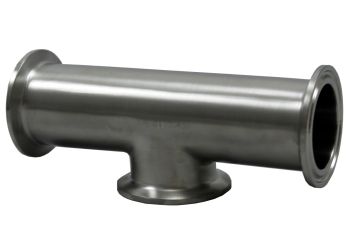
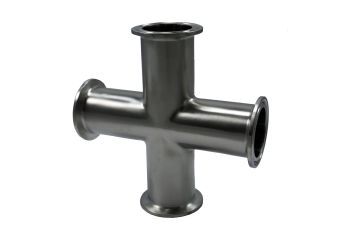
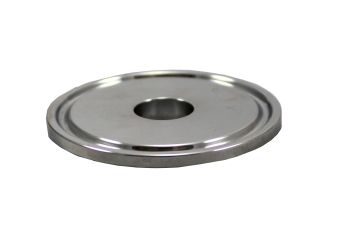
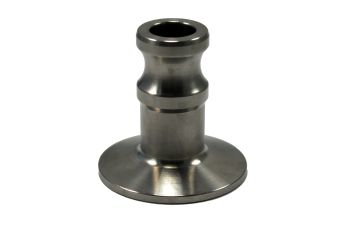
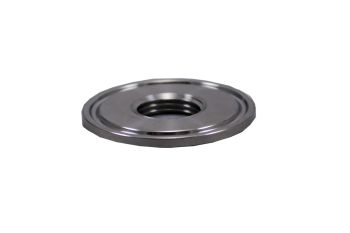
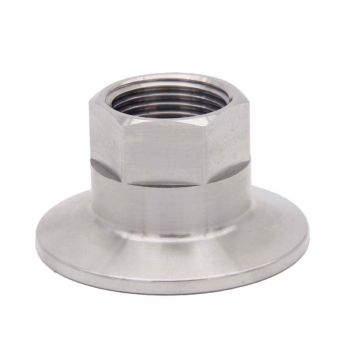
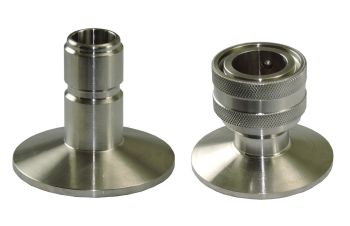
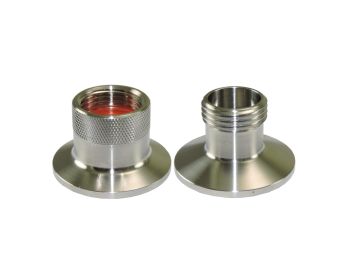
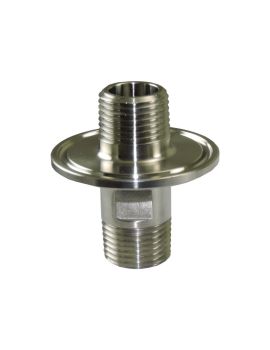
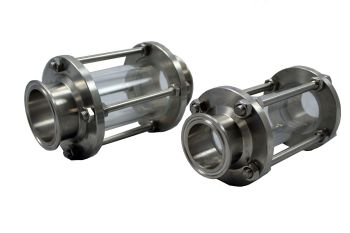
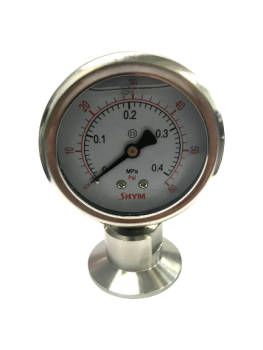
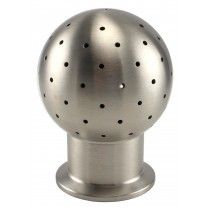
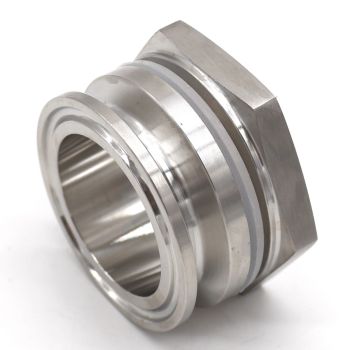
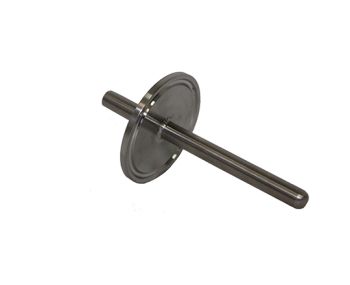
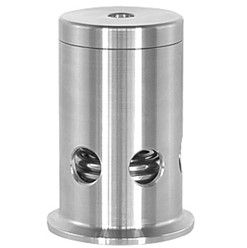
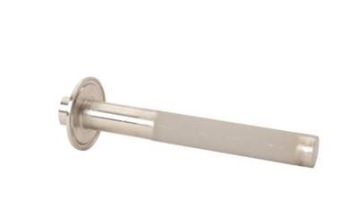
Tri-clamp fittings, also known as tri-clover fittings, are a type of sanitary fitting widely used in industries requiring strict hygienic standards like food and beverage, dairy, brewing, and pharmaceuticals. A tri-clover clamp fitting is a type of sanitary connection that consists of three main components: two flanged ends (also called ferrules), with a gasket between them, and a clamp that holds and compresses them together resulting in a secure and leak-proof seal. Their quick release design allows for quick assembly and disassembly, making them suitable for applications that require frequent cleaning, maintenance or component changes. Constructed from high-quality stainless steel, tri-clover clamp fittings are durable, highly resistant to corrosion and easy to clean, which makes them ideal for applications requiring strict hygienic standards. Due to their reliability, compliance with industry sanitation standards which ensures a high level of hygiene, as well as their ease of maintenance, makes tri-clamp fittings the preferred choice in sanitary processing systems.
- Please scroll down for more information on TC Fittings.
View all Tri-Clover Clamp Fitting Products

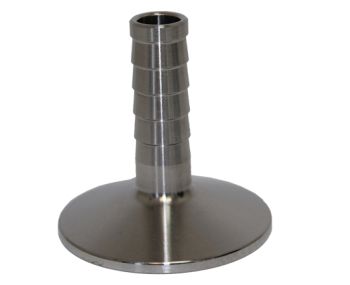
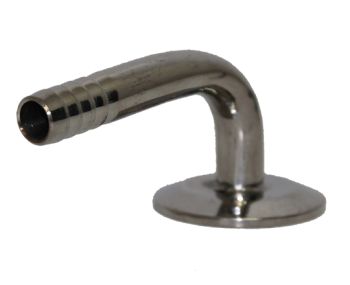
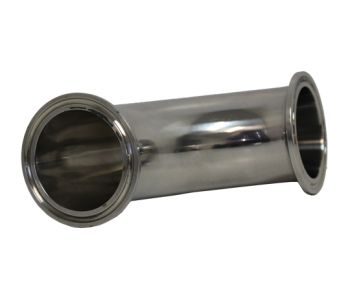
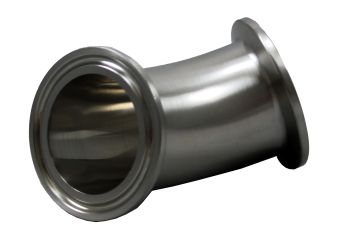


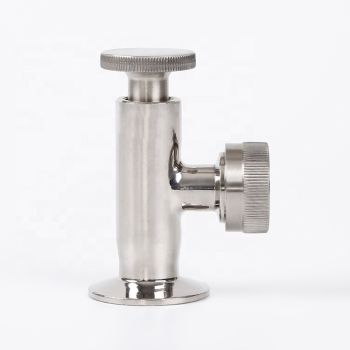
Tri-Clamp vs Tri Clover
Tri-Clamp and Tri-Clover Fittings are different names for the same thing. "Tri-Clover" was originally the trademark name given by a company called Alfa-Laval for their tri-clamp fittings. While the name was under copyright, the product design was not and others began manufacturing these sanitary fittings under the name "tri-clamp".
Why are they called "Tri-Clamp" ?
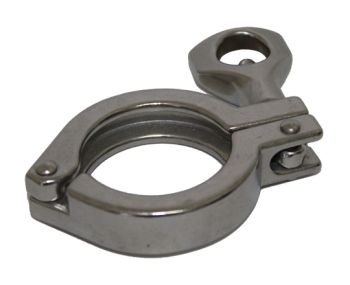
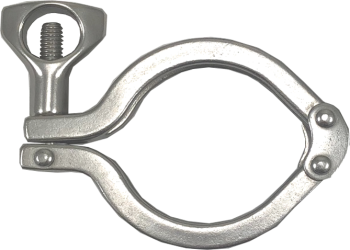
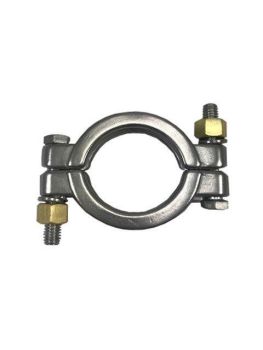
The name originally referred to clamps with three segments that were used to make this sanitary connections, but now this term is used to describe all sanitary fittings. It is unclear whether the term "Tri Clamp" referrers to a clamp with three sections, or to the three separate fittings that make up a tri clamp connection. It is interesting to note that a regular tri-clover clamp consists of three segments, two arms and a wing nut.
How to make a Tri-Clover Connection.
A Tri-Clover connection consists of three separate fittings: two tri-clamp flanged ends (also called ferrules), with a gasket in between them to ensure a leak proof seal. and a clamp to compress the connection together.
- Flanged Ends:
- These are the flanged connection ends of the the tri-clamp fittings that will join together to form the connection.
- Gasket:
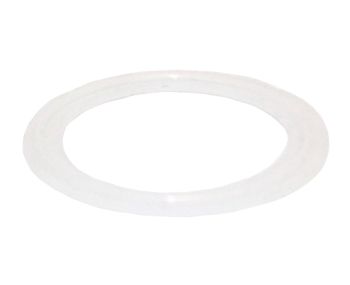
- A gasket typically made out of silicone is placed between the two flanged ends that gets compressed to form a leak-free seal.
- Clamp:
- The clamp is placed around the two flanged ends and tightened to secure the connection.

Tri-Clamp Sizes.
The easiest way to size a tri-clover fitting is to measure the OD (outside diameter) of the tubing and not as many people think to measure the OD (outside diameter) of the flange. The sizing used for tri-clover fittings corresponds to the OD of the tubing it will connect to. For example if you are connection to 2" tubing, then you will require a 2" tri-clamp fitting.
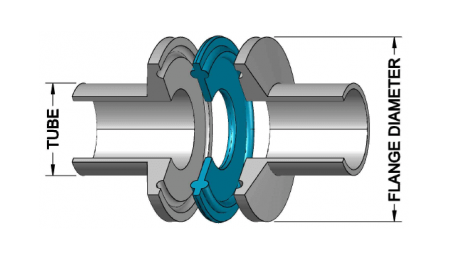
Contrary to popular belief, one can actually measure the flange to get the correct size, however it is not as easy as measuring the outside diameter of the tube, and it will require a table to convert the measurement to the correct size. (See Table Below). This is because the the flange is about 1/2" wider than the tubing. So a 2" tri clover fitting will have a flange diameter of 2.516".
There are two sets of tube sizes that share a single flange size. The 1/2" and 3/4" tubing both have a 3/4" flange (0.984") and the same is true of the 1" and 1.5" tubing which both have a 1.5" flange (1.984"). This means that a 1/2" and 3/4" tri-clamp fitting can be connected using a 3/4" clamp, and a 1" and a 1.5" tri-clamp fitting can be connected with a 1.5" clamp. However, it is important to note that the internal diameters (ID) of these fitting will differ.
Tri Clamp Size Chart:

What is a Sanitary Fitting?
Sanitary fittings are specialized components designed for hygienic applications that prevent contamination and ensure cleanliness, used in industries such as food and beverage, dairy, biotechnology, and pharmaceutical. These fittings are sanitary connectors designed to connect tubes, valves, fittings, and other components while providing a smooth, crevice-free interior that prevents the buildup of bacteria and facilitates easy cleaning. Made out of high-quality stainless steel, sanitary fittings are corrosion resistance, durable and suitable for clean in place (CIP) and sterilize in place (SIP) procedures. They come in various types, most commonly tri-clamp fittings, and weld fittings without the ferrule ends, and even some threaded fittings are sanitary. Their design allows for quick assembly and disassembly, which makes them easy to clean and service. They are essential for sanitary processing systems where cleanliness, and strict hygiene is crucial.