
Why Does a Ball Valve Leak?
Why Does a Ball Valve Leak?
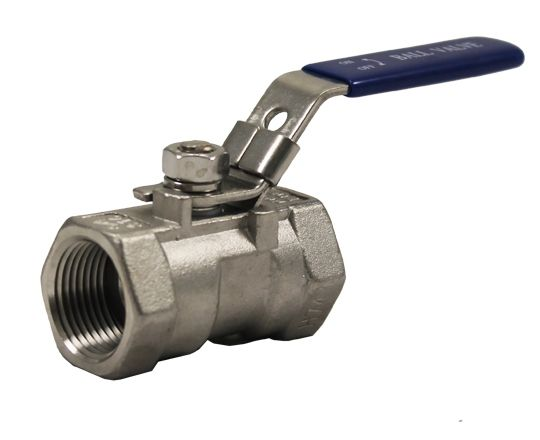
One of the critical components of a piping system is a valve. It is a mechanical device that regulates the flow and pressure of fluids or gasses inside a pipe. A valve performs the following functions:
-
Starting and stopping the flow
Varying the amount of the flow
Regulating process pressure or downstream pressure of a system
Relieving overpressure in piping, components or equipment
-
Body: Also known as the shell, the body is the framework that is the first primary pressure boundary and holds everything together. The valve body has an outlet and inlet connected to pipes with bolted, threaded, or welded joints. The shape of the body is typically spherical or cylindrical.
-
Rotary Ball: It is the main mechanism that allows a ball valve to work. It consists of a ball with a hole in the center, called a bore. This bore provides a flow path for the medium to pass through. The rotary ball is connected to the stem, which is connected to the handle lever. In this way by turning the handle, the stem is rotated, which turns the ball and in so doing controls the direction of the bore. When the bore is inline with the flow, then the flow is open and when it is at right angles, then flow is closed.
-
Stem: This part of the valve connects the ball to the handle lever or actuator and controls the position of the ball. As the stem is rotated by the handle, it in turn rotates the rotary ball which starts or stops the flow. The Stem is surrounded by washers to ensure a proper seal and to prevent leakage.
-
Seat(Seals): The seat provides a surface for the ball to rest and seal. The seats, also called discs, provide a leak-proof seal between the valve body and the ball. There are two seats, one on either side of the ball. They are made out of PTFE (Teflon).
-
Handle: The lever or handle is connected to the stem which turns the ball. It is used to operate the ball valve turning the flow on and off.
-
Bonnet: Gate Valves and Globe Valves are the most common types of valves that have a bonnet. In a ball valve the bonnet is the part of the main body near the lever that contains the stem. The bonnet is the cover for the opening in the top of the valve body. It provides a tight seal to prevent leaks and protects the internal components such as the stem. The bonnet also provides a surface to mount the actuator on. It is the second principal pressure boundary. The bonnet is connected to the valve body either by threads, by being bolted or welded. The bonnet can be a source for a potential valve leak.
-
Trim: The trim is a term that refers to the collection of internal elements of the valve that typically includes a stem, ball and seat. The trim makes basic motions and flow control possible.
-
Actuator: This part of the valve operates the stem and ball assembly in place of a manual handle lever. In some designs, the bonnet supports the actuator, and in other designs, the bonnet comes with a mounted yoke to support the actuator. If the ball valve has an actuator then it usually does not have a manual handle lever to control the flow.
-
Visual Inspection: Visual signs of where the leak is occurring will help diagnose the issue and indicate which parts need to be replaced. There are three common areas for leaks to occur: ball valve leaking at the stem, a ball valve leaking from the body, or leakage from the threaded connections. Staining or pooling around the valve indicates leakage.
-
Operational Testing: Open and close the valve and see if there is any unusual sound or resistance. Look for the signs of leakage while operating the valve.
-
Pressure Testing: When the valve is closed, apply a specified test pressure. If you notice any drop in the valve's pressure, it is a sign of leakage.
-
Leak Detection: You can use leak detection sprays or fluids. When the solution is applied to the leakage area, bubbles will appear.
-
Monitoring Equipment: Thermal imaging or ultrasonic leak detectors can be used to detect leakage.
-
Leaking at the stem: Replace the stem packing seals, washers and nuts.
-
Leaking from the body: Replace the Seats (In unusual cases the ball)
-
Leakage from the threads: Tighten the thread and/or use tape sealant.
-
Availability and Cost of Replacement: If parts are not readily available, you will have to replace the entire valve. Determine whether ball valve repair costs more or replacement costs more.
-
Condition of the Valve: If the valve assessment reveals extensive wear and other issues, replacement is in your best interests. Make sure you also check the structural integrity of the valve.
-
Technology and Valve Age: Newer technologies bring better performance, reliability, and efficiency. So, replacing the aged valve with a newer one will provide long-term benefits.
-
Operational Downtime: What will keep the disruption minimum, replacement or repair?
-
Safety and Compliance: Safety and compliance standards evolve with time. If your current valve does not meet those standards, it's time to replace it.
-
Long-Term Cost: A repaired valve is highly likely to require frequent maintenance. And, of course, it will have a shorter lifespan.
-
Regular Maintenance: Regular maintenance helps reduce the risk of leaks, as you can identify and repair or replace components before they fail. Develop a ball valve maintenance plan to clean and lubricate valves regularly.
-
Routine Inspections: Look for visible signs of corrosion, wear, or damage. Regularly test the valve’s operation. Check for the ball valve leaking internally and externally.
-
Proper Installation Practices: Install compatible components and ensure correct torque settings. Make sure that the valve is properly aligned and positioned.
-
Material Compatibility: The material of the valve and seals should be compatible with the fluid or gas and environmental conditions such as pressure, temperature, corrosive substances, etc.
There are different valve types and designs to serve a variety of purposes in different industrial applications. In this article, you will learn everything you need to know about a ball valve leak.
What are the Parts of a Valve
Before looking into the possible causes of a leakage, it is important to first know about different parts of a valve.
Common reasons for ball valve leaks
The most common reasons for a ball valve leak include:
Faulty Components
Seats and Seals: A seal is used to ensure a tight closure between the ball and valve body and to prevent leakage. However, the seal itself is the most common cause of leakage, usually when it is cracked. So if you have a new ball valve that leaks, this could be the reason especially if the ball valve was dropped. Over time the seats can wear down from corrosion and this could also cause a gradual leak.
Ball: Leakage can occur due to a damaged or eroded ball failing to create a proper seal. This is usually caused over time with fast moving corrosive material or a corrosive chemical.
Stem: A damaged or misaligned stem can cause leakage at the stem-seal interface. Most often caused by dropping a ball valve upside down.
Improper Installation
Incorrect Torque Settings: To install a threaded ball valve all that is required is to thread the ends correctly to form a water-tight seal. This can easily be done with a wrench. It is recommended to use teflon tape or some type of sealant to ensure no leaks occur at the threads. Applying proper torque to the wrench when threading the valve into place will ensure a leak proof connection. However, this does not happen when the torque applied is too little or too much, both of which can lead to leakage.
3-piece ball valve(Socket Weld Ball Valves: When removing or replacing the middle section of a 3-piece ball valve it is important to make sure that all 4 body bolts are correctly fastened. If some of them are loose or not as tight as the rest, this could lead to leaking from the body joint.
Wear and Tear Over Time
Components gradually deteriorate due to regular use. This deterioration most often can occur at the stem, ball or seat compromising the seal and leading to leakage.
Leaking handle: If the ball valve leaks through the handle this is usually a sign that the packing has been compromised. This can be caused over time or by an impact. To remedy this the stem packing seals, washers and nuts will need to be replaced.
Leaking body: If the ball valve body leaks this could be a sign that the ball is eroded or the seats are eroded or cracked. Cracked seats are the most common cause of a ball valve leaking through the body. This is usually caused by the ball valve being dropped or damaged in transit. It is also the main reason a new ball valve will leak right away. If the leak is more gradual the seals may be eroded by chemicals or by corrosion caused by fast moving particles. In these cases the leak can be solved by replacing the seats (also called seals). If the ball is eroded it will have to be replaced, however this would most likely only occur over many years in very unusual applications.
Sediment and Debris Accumulation
Over time, sediment and debris accumulate, obstructing flow and damaging the ball, seat, seals, and other internal components, which can lead to leakage. Due to accumulation, you may find it difficult to open and close the valve fully. Abrasive particles can damage the internal components. Debris can also disrupt the seal and create gaps, causing leakage.
Environmental Factors
Extreme Temperatures: Components like seals expand and soften when exposed to high temperatures, which causes leakage. Similarly, low temperatures can make these components brittle. Brittle materials crack easily and cause leakage. This can usually be fixed by replacing the seats.
Extreme Temperatures: Components like seals expand and soften when exposed to high temperatures, which causes leakage. Similarly, low temperatures can make these components brittle. Brittle materials crack easily and cause leakage. This can usually be fixed by replacing the seats.
Corrosive Environment: Leakage can also occur due to corrosive environments, such as saline, basic, or acidic environments, which can degrade seals and erode components. This is an easy fix by replacing the seats.
High Humidity: Metal components corrode due to moisture accumulation. This degrades components and causes leakage. Stainless Steel ball valves are largely immune to this and should largely remain unaffected by humidity.
UV Radiation: Certain materials degrade due to exposure to UV radiation. Valves made from plastics and elastomers often lose their integrity and cause leakage. Stainless Steel ball valves are largely immune UV exposure and should largely remain unaffected.
Types of Ball Valve Leaks
External Leaks
External leakage occurs outside the body, at the points where the valve connects with other components of the piping system like the threads. This can be fixed by ensuring the thread connection is correct and tight enough. In most cases teflon tape or pipe sealant will prevent any leaks.
Internal Leaks
Internal leakage occurs within the valve body. Common causes of internal leakage include ball seal failure, which can be caused by an eroded ball or by seat damage. This can be corrected by replacing the seats and in rare situations the ball. Internal leaks can also occur where stem and handle join and this will be due to a stem packing breach, this can be corrected by replacing the stem packing seals, washers and nuts. Debris or sediment accumulation as well as freezing weather can be causes of the above mentioned leaks.
Ball Valve Troubleshooting and Inspection
Replacing Worn Components
Repairing vs. Replacing a Ball Valve
Whether you should repair or replace your ball valve depends on the following factors such as:
Preventing Future Ball Valve Leaks
Conclusion
Risk of leakage and ease of maintenance also depends on the material and design of the valve. Stainless Steel Ball Valves is a leading supplier of high quality stainless steel ball valves. You can choose from a range of 1 piece ball valves, 2 piece ball valves, 3 piece ball valves, 2000 PSI Ball Valves, Tri-Clamp Ball Valve, Tri-Clamp Fittings, Stainless Steel Threaded Fittings and Stainless Steel Camlock Fittings. Shop now!